Find the security bugs QA did not know to search for.
Early finds security bugs beyond existing test scenarios. QA investigates the evidence and initiates fixes with tests for eligible findings. Engineering reviews, validates, and controls the merge.
Expected behavior can hide a serious defect
Functional, exploratory, and negative tests remain essential. They cannot replace analysis that surfaces a memory-lifetime defect or an unexpected secret-handling path.
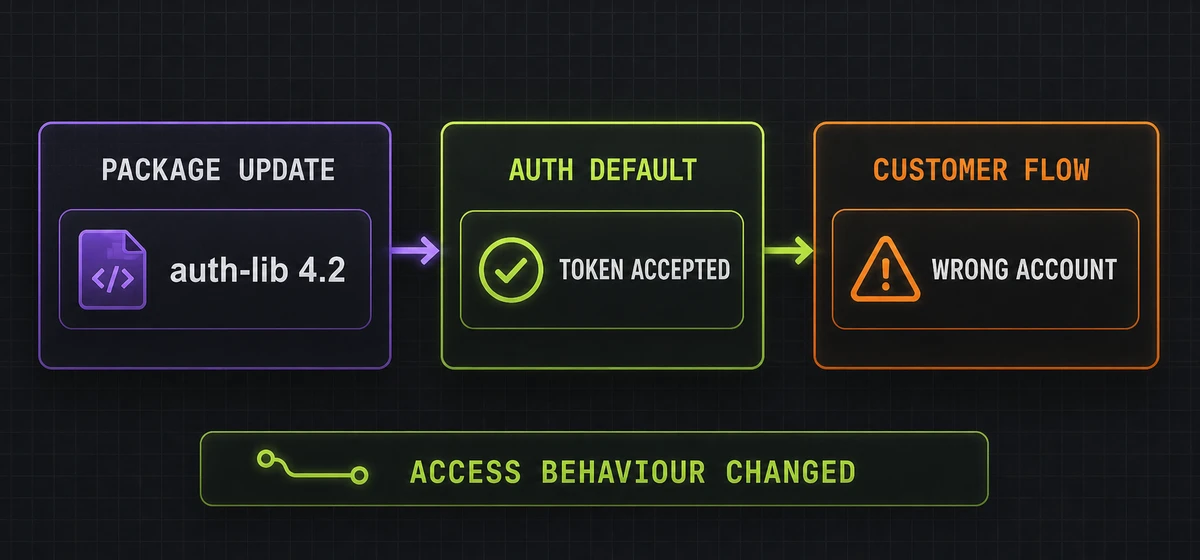
QA delivers more than a ticket a fix with tests for engineering review
Early finds the bug. After authorized initiation, it implements a fix, adds tests, and opens a draft pull request for an eligible finding. QA brings the finding and repair to engineering.
Security-relevant defects beyond known scenarios.
A repair with tests and the finding that motivated it, ready for engineering review and validation.
Evidence makes the finding actionable
PHP2Shell and Pydantic AI show two different security-relevant paths: unsafe memory lifetime and credentials reaching traces.
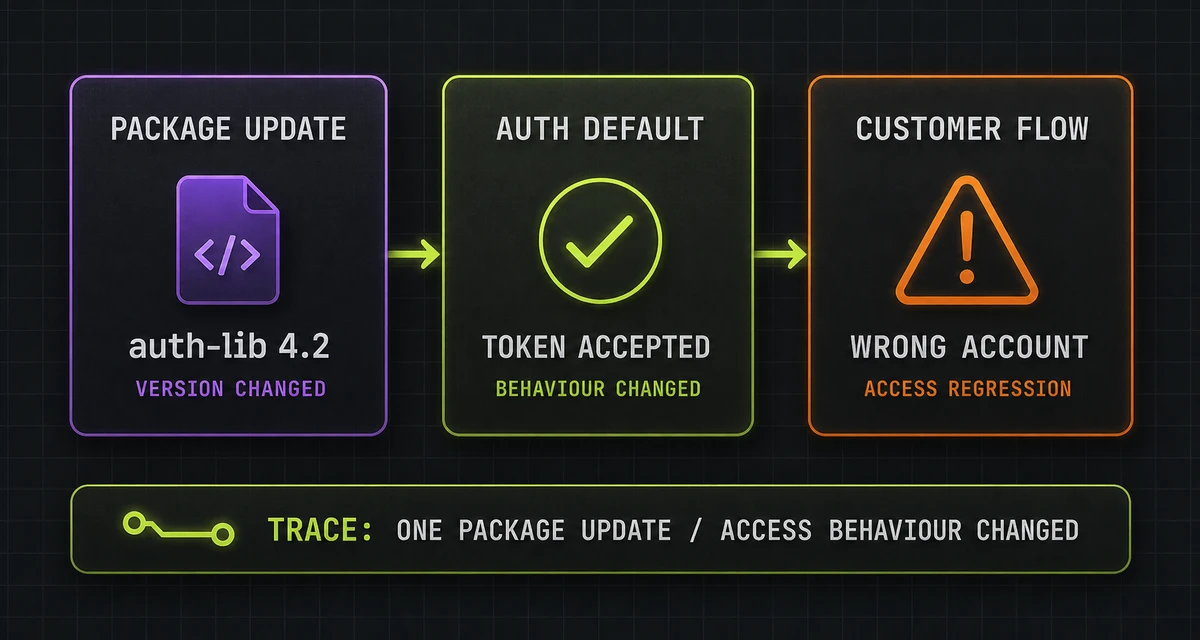
When it matters
Where security bugs stay outside the plan
Unexpected memory behavior
A diagnostic or lifecycle change leaves state pointing beyond its intended lifetime.
Secrets in observability
A credential follows a generic serialization path into logs or traces.
Existing defects
A bug is present in the analyzed code even though the current change did not introduce it.
Repair handoff
QA brings engineering a concrete finding, a fix, and tests to review and validate.

